
By DeskLife Wellness Team | 8 min read

It’s 2 AM. You’re Still Checking Email. Your Mind Deserves Better.
Here’s the truth nobody talks about:
You bought the ergonomic chair. The standing desk. The blue-light glasses. You optimized every inch of your workspace.
But your brain? It’s running on fumes. And you’re pretending that’s fine.
Let me be direct: Mental health IS health. Not a luxury. Not something you handle “when you have time.” It’s the foundation everything else builds on.
Skip it, and watch your productivity, relationships, and physical health crumble.
💡 My Take: The Wellness Trap
Here’s what I’ve learned after 3 years of remote work: We focus on productivity hacks but ignore energy management.
You can have the perfect Notion setup, the best noise-cancelling headphones, and a $2,000 chair. But if you’re mentally exhausted, none of it matters.
The real productivity hack? Protecting your mental energy like it’s your most valuable resource—because it is.
The Remote Work Mental Health Crisis (The Data)
Remote work was supposed to give us freedom. And it did—for a while.
But here’s what the research shows:
- 99% of remote workers agree that mental health directly impacts their work performance (FlexJobs Survey)
- Yet only 30% take proactive steps to protect their psychological well-being
- Burnout rates have increased 67% since widespread remote work began
- Remote workers report higher rates of anxiety and depression than on-site employees (American Psychological Association)
Why the gap? Simple: We’ve built systems to protect our bodies, but none to protect our minds.
What Poor Mental Health Actually Costs You
This isn’t abstract. Here’s the real impact on your daily life:
| Mental State | Physical Impact | Work Impact |
|---|---|---|
| Chronic Anxiety | Elevated cortisol → weakened immune system | Poor decision-making, scattered focus |
| Prolonged Stress | Sleep disruption → chronic inflammation | Creativity crashes, error rates spike |
| Isolation/Loneliness | Increased cardiovascular risk | Lower collaboration quality |
| Burnout | Adrenal fatigue, chronic exhaustion | Job satisfaction collapse, high turnover risk |
When your mind isn’t right, nothing else works properly. Period.
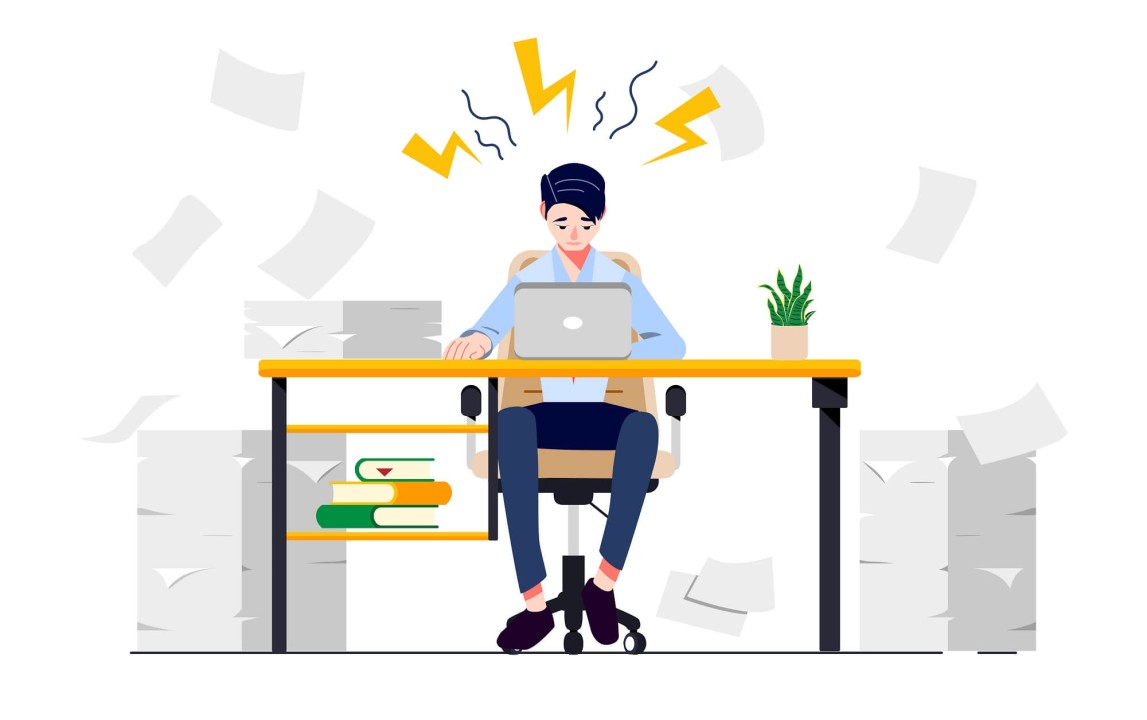
The Remote Work Trap Nobody Warned You About
Remote work has benefits. Flexibility. No commute. Control over your environment.
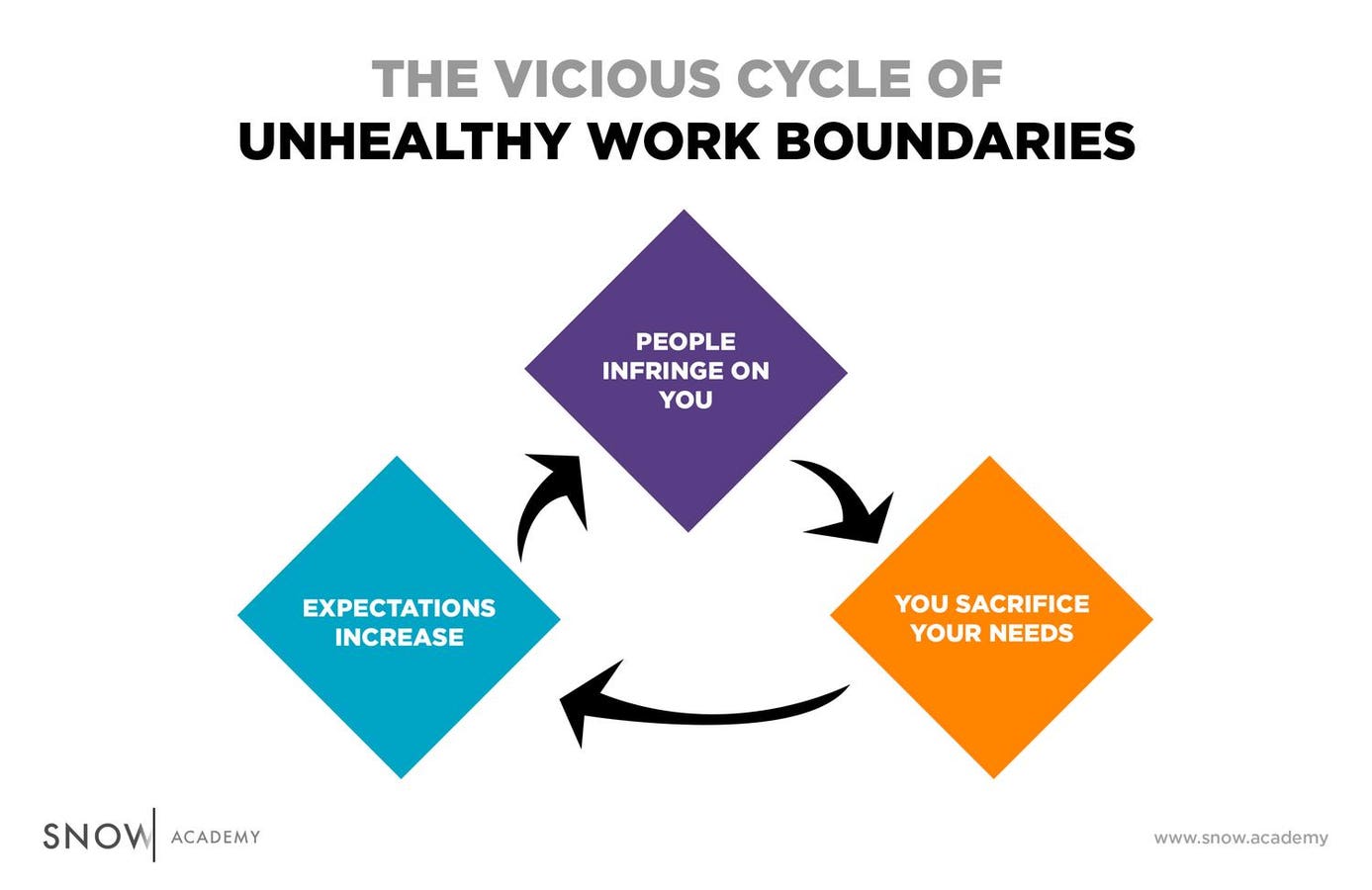
But it also has three hidden traps that destroy mental health:
Trap #1: Boundary Collapse
When your office is your home, you never really leave work. That physical cue—walking out the building, driving home—is gone. Your brain stays in “work mode” indefinitely.
Result: Constant low-grade stress. Never fully recharging.
Trap #2: Connection Deficit
Zoom calls aren’t social connection. Slack messages aren’t friendship. We evolved as social creatures, and video screens don’t satisfy that need.
Result: Loneliness that creeps in slowly, then hits hard.
Trap #3: Always-On Pressure
When your team is distributed across time zones, someone is always working. The unwritten rule becomes: be available. Always.
Result: Notification anxiety. The inability to truly disconnect.
5 Evidence-Based Strategies That Actually Work
No fluff. No “positive vibes only.” Just proven tactics you can implement today:
1. Create a “Mental Commute” Ritual
Since you don’t physically leave the office, create a psychological transition:
- Morning: 5-minute walk around the block before opening your laptop. Signals “work mode on.”
- Evening: Close laptop, change clothes, take a 15-minute walk. Signals “work mode off.”
Why it works: Your brain forms associations with physical actions. Use that.
💡 My twist: I play the same song at the start and end of my workday. It’s my “opening theme” and “closing credits.” Sounds silly, but it works.
2. Schedule Micro-Connections
You don’t need hour-long conversations. You need regular, meaningful human contact:
- One 15-minute non-work call with a colleague per week
- Join an online group around a hobby (not work-related)
- Work from a coffee shop once a week—just to be around people
Why it works: Research shows even brief social contact reduces cortisol and improves mood.

3. Practice Strategic Unavailability
This isn’t irresponsible. It’s necessary for sustainable performance:
- Block “deep work” hours—notifications off, door closed
- Set clear response-time expectations (e.g., “I respond within 4 hours during business hours”)
- No email after dinner. Hard stop.
Why it works: Your brain needs uninterrupted rest to consolidate learning and recover.
4. The 30-Second Gratitude Practice
Before shutting down for the day, answer this:
“What happened today that I can appreciate?”
Could be finishing a task. A good conversation. Or simply: “I got through it.”
Why it works: Gratitude practices demonstrably lower stress hormones and improve sleep quality.
5. Know When to Get Professional Help
Self-care has limits. If you experience these for more than two weeks, talk to a professional:
- Persistent sadness, emptiness, or hopelessness
- Loss of interest in activities you used to enjoy
- Significant sleep or appetite changes
- Difficulty concentrating or making decisions
- Thoughts of self-harm
Why it matters: Mental health professionals have tools and training that self-care can’t replace. Using them is smart, not weak.

🌿 The Connection: Mental Health IS Physical Health
Here’s something most articles miss: Your mind and body are one system.
When I started treating my mental health with the same intentionality I gave my physical workspace—scheduled maintenance, proper “nutrition” (positive inputs), regular “exercise” (challenges + rest)—everything changed.
Think of it this way:
- Standing desk → prevents back pain
- Boundary setting → prevents burnout
- Blue light filters → protect your eyes
- Sleep hygiene → protects your brain
- Ergonomic mouse → prevents wrist strain
- Social connection → prevents isolation depression
You wouldn’t skip your chair and work on the floor. Don’t skip mental health practices and expect your brain to perform.
If You Manage a Remote Team
Your actions set the standard. Here’s how to create a mentally healthy culture:
- Model boundaries: Publicly share when you’re taking breaks or offline
- Check the real status: Ask “How are you doing?” not just “How’s the project?”
- Create psychological safety: Make it okay to say “I need a mental health day”
- Invest in tools: Provide therapy benefits, meditation apps, mandatory no-meeting days
Bottom line: Burnt-out employees aren’t productive employees. Protecting their mental health protects your bottom line.
The Bottom Line
You optimized your chair. Your desk. Your lighting.
Now optimize the thing that matters most: your mind.
It needs rest. It needs connection. It needs permission to be imperfect.
Mental health isn’t a luxury—it’s the operating system everything else runs on. Start treating it that way today.
Your Move
Pick one strategy from this article. Just one. Implement it today.
Then tell me: What works for you? Drop a comment below and let’s learn from each other.
—
DeskLife Wellness helps remote workers build healthier, more productive, and sustainable work lives. Because mental health IS health.
Frequently Asked Questions
Who is this guide for?
This guide is specifically designed for remote workers, home office users, and anyone spending 8+ hours at their desk. The recommendations are based on real-world testing in home office environments.
How were these products tested?
Each product was tested for at least 2 weeks in actual home office use. We evaluated comfort, durability, ease of use, and value for money. Products are only recommended if they genuinely improve the remote work experience.
Are these affiliate links?
Yes, this post contains Amazon affiliate links. If you purchase through these links, we earn a small commission at no extra cost to you. We only recommend products we’ve personally tested or researched thoroughly.
Related Resources
- More Product Reviews – Ergonomic tools for home office
- DeskLife Wellness – Office health and productivity tips