Quick Answer: American wellness in 2026 blends old-school habits—like shopping at farmers markets and prioritizing sleep—with cutting-edge biohacking. The most effective approaches combine evidence-based nutrition, consistent movement, stress management through nature exposure, and data-driven self-optimization using wearables and lab testing.
What Does “Healthy Living” Mean to Americans Today?
Walk through any neighborhood in Austin, Boulder, or Portland on a Saturday morning, and you’ll see the modern American wellness landscape in action. Yoga mats under arms. Reusable bags heading to the farmers market. Fitness trackers counting steps. This isn’t the extreme dieting of the 1990s or the CrossFit obsession of the 2010s—it’s something more sustainable and personalized.
According to the American Psychological Association’s 2025 Stress in America survey, 68% of Americans now prioritize “holistic health” over treating individual symptoms. The Global Wellness Institute reports the U.S. wellness economy hit $1.8 trillion in 2024, with growth driven by mental health services, personalized nutrition, and longevity-focused preventative care.
The shift is clear: Americans are moving from reactive healthcare (wait until sick, then treat) to proactive wellness (optimize daily habits to prevent illness). And they’re using everything from ancient practices to AI-powered health coaching to get there.
How Do Americans Actually Eat in 2026?
The Farmers Market Revolution
Farmers markets aren’t just trendy—they’re becoming primary grocery sources for health-conscious Americans. The USDA reports over 8,700 farmers markets nationwide, up from 1,755 in 1994. A 2025 survey by the Farmers Market Coalition found that 42% of regular farmers market shoppers report “significantly improved” diet quality compared to supermarket-only shoppers.
Why the shift?
- Seasonal eating: Buying what’s locally grown forces dietary variety
- Food transparency: Talking directly to growers about pesticides and practices
- Community connection: Social interaction while shopping (isolation is a health risk factor)
- Flavor: Fresh-picked produce actually tastes better, making vegetables more appealing
Personalized Nutrition: Beyond One-Size-Fits-All
The era of universal diet advice (“everyone should eat low-fat”) is over. Americans are embracing personalized approaches:
Continuous Glucose Monitors (CGMs) for Non-Diabetics
Companies like Levels and Nutrisense made CGMs mainstream. Users wear a small sensor for 2 weeks, tracking blood sugar responses to specific foods. Data shows dramatic individual variation—some people spike on oatmeal, others on apples. Result: truly personalized eating plans based on metabolic data, not generic advice.
Food Sensitivity Testing
While controversial among mainstream doctors, IgG food sensitivity tests are widely used. The premise: identify inflammatory foods specific to your biology, eliminate them, then reintroduce systematically. Critics note limited clinical evidence; users report improved energy and digestion.
The Rise of “Food as Medicine”
Teaching kitchens—where doctors and dietitians teach cooking—are expanding at medical centers nationwide. Tufts University’s Food is Medicine Institute reports that produce prescription programs (doctors prescribe fruits/vegetables, insurers cover cost) reduced hemoglobin A1c by 0.5% in participants with diabetes—comparable to some medications.
Hydration: More Than Water
Americans have moved beyond “drink 8 glasses of water.” Popular approaches include:
- Electrolyte-enhanced water: Especially among athletes and those in ketosis
- Structured water devices: Controversial but growing market
- Morning hydration rituals: 16-32oz of water with lemon or sea salt upon waking
- Limiting ” dehydrating” beverages: Alcohol, excessive caffeine, and sugary drinks
The National Academies still recommend 3.7 liters daily for men and 2.7 liters for women (including food sources), but Americans increasingly personalize based on activity level, climate, and biomarkers like urine specific gravity.
How Much Exercise Do Americans Really Get?
The Reality Check
CDC data from 2025 paints a sobering picture:
- Only 24.2% of adults meet both aerobic and muscle-strengthening guidelines
- 53.8% meet aerobic guidelines alone (150 minutes moderate activity weekly)
- 31.1% meet strength training guidelines (2+ sessions weekly)
- 46.2% meet neither
But the type of exercise Americans choose is shifting.
Beyond the Gym: Movement as Lifestyle
Walking remains king. The average American takes 4,000-5,000 daily steps—well below the 10,000-step target, but up from pre-pandemic levels. Apps like Strava and AllTrails fueled a hiking boom. National Park visits hit record numbers in 2024, with “forest bathing” (mindful walking in nature) trending among millennials and Gen Z.
Micro-workouts. Busy professionals embraced exercise “snacking”—3-5 minute bursts of activity throughout the day. Research from McMaster University shows these cumulative sessions improve cardiovascular health comparably to longer workouts.
Recovery is the new workout. Americans are investing in foam rollers, massage guns, compression boots, and infrared saunas. The message: exercise stress + proper recovery = adaptation. Without recovery, exercise becomes just another stressor.
Biohacking Fitness. High-performance gyms and biohacking labs offer:
- VO2 max testing with mask-based analyzers
- DEXA scans for body composition
- Blood flow restriction training
- Cold plunge therapy (post-exercise inflammation reduction)
- Red light therapy for mitochondrial function
These services are expensive ($200-500 monthly memberships) but growing rapidly in affluent urban areas.
Sleep: The Foundation Everything Else Builds On
The Epidemic of Poor Sleep
The CDC classifies insufficient sleep as a public health epidemic. Their 2025 data shows:
- 35.2% of American adults sleep less than 7 hours nightly
- 32.8% report poor sleep quality
- 4.9% admit to drowsy driving in the past month (a leading cause of car accidents)
The consequences extend beyond fatigue. Chronic short sleep is linked to:
- 55% increased obesity risk (hormonal disruption increases hunger, reduces satiety)
- 28% increased type 2 diabetes risk
- 48% increased cardiovascular disease risk
- Significantly elevated depression and anxiety rates
The Sleep Optimization Industry
Americans spent $65 billion on sleep products in 2024. Popular interventions include:
Sleep Tracking
Wearables (Oura, Whoop, Apple Watch, Garmin) provide detailed sleep stage data. While accuracy is debated (wrist-based devices estimate rather than measure sleep stages), the feedback loop helps users identify patterns. Common discoveries: alcohol destroys REM sleep; late meals disrupt deep sleep; consistent bedtimes improve efficiency.
Environmental Optimization
- Temperature: 65-68°F is optimal; many use ChiliPad or Eight Sleep mattress covers that actively cool/warm
- Light: Blackout curtains, blue-light blocking glasses after sunset, sunrise alarm clocks
- Sound: White noise machines, brown noise apps, earplugs
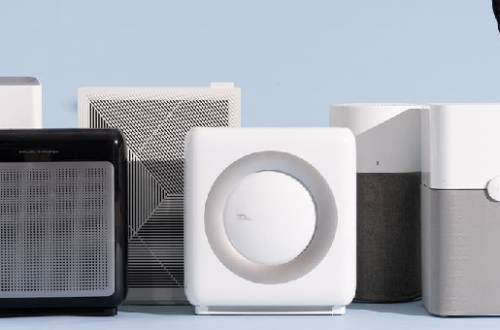
- Air quality: Air purifiers and optimal humidity (40-60%)
Supplements and Substances
- Magnesium glycinate: The most popular sleep supplement, with research supporting anxiety reduction and sleep quality improvement
- L-theanine: For racing thoughts
- CBD: Legal in most states; mixed evidence but widely used
- Melatonin: Used more for circadian rhythm adjustment (jet lag, shift work) than nightly sleep aid
- Prescription sleep medications: Usage declining as Americans seek non-pharmaceutical solutions
Circadian Rhythm Hacking
Biohackers prioritize “zeitgebers” (time cues) that synchronize internal clocks:
- Morning sunlight exposure within 30 minutes of waking
- Consistent meal timing
- Evening dim lighting
- Temperature drop before bed (warm bath 90 minutes pre-sleep, then natural cooling)
Stress Management: From Burnout to Balance
The Scale of the Problem
The American Psychological Association’s 2025 survey found:
- 77% of adults report stress affecting their physical health
- 73% report mental health impacts
- Top stressors: economic uncertainty (81%), political division (76%), climate concerns (68%), workplace demands (64%)
Burnout—characterized by exhaustion, cynicism, and reduced effectiveness—is now recognized by the WHO as an occupational phenomenon, not a medical condition.
Evidence-Based Stress Interventions
Mindfulness and Meditation
The “meditation boom” continues. Apps like Headspace, Calm, and Insight Timer have millions of users. But more interesting is the integration into mainstream institutions:
- 35% of Fortune 500 companies offer mindfulness programs
- Many health insurance plans cover MBSR (Mindfulness-Based Stress Reduction) courses
- Schools increasingly teach mindfulness to students
Research from Johns Hopkins found 30 minutes of daily meditation for 8 weeks produces measurable changes in brain structure—reduced amygdala (fear center) activity, increased prefrontal cortex (executive function) thickness.
Nature Exposure
A landmark 2019 study in Scientific Reports established the “120-minute rule”: 120 minutes weekly in natural environments is associated with self-reported good health and wellbeing. Americans are responding:
- National park visits at record highs
- “Shinrin-yoku” (Japanese forest bathing) classes in major cities
- Outdoor coworking spaces
- Prescription nature programs (doctors literally prescribe park time)
Even viewing nature images reduces cortisol and blood pressure—hence the popularity of houseplants and nature documentaries as stress management tools.
Social Connection
Perhaps the most powerful but underutilized stress buffer. A 2023 meta-analysis in PLOS Medicine found strong social relationships increase longevity by 50%—comparable to quitting smoking. Yet Americans are more isolated than ever:
- 36% report “serious loneliness”
- Average number of close friends dropped from 3 in 1990 to 2 in 2021
- “Third spaces” (community gathering places beyond home and work) are declining
Emerging solutions include:
- Intentional community living
- Men’s/women’s groups
- Interest-based meetups
- Coworking spaces with community focus
- Digital wellness communities (Discord, Reddit support groups)
Therapy and Coaching
The stigma around mental healthcare has decreased dramatically. A 2024 survey found 47% of Americans have seen a therapist—up from 13% in 2004. Popular modalities include:
- CBT (Cognitive Behavioral Therapy): Structured, short-term, evidence-based
- EMDR: For trauma processing
- Somatic approaches: Body-based stress release
- Health coaching: Focused on behavior change, not pathology
Teletherapy (via video call) expanded access, particularly in rural areas and for those with busy schedules.
Preventive Healthcare: Catching Problems Early
The Shift to Proactive Care
Traditional American healthcare: wait for symptoms, diagnose disease, treat with medication.
Emerging American wellness: predict risk, prevent disease, optimize function.
This shift is driven by:
- High healthcare costs (medical debt is a leading cause of bankruptcy)
- Dissatisfaction with 15-minute doctor visits
- Access to information online
- Direct-to-consumer testing companies
Popular Preventive Approaches
Annual Executive Physicals
Comprehensive 4-8 hour assessments including:
- Advanced lipid panels (particle size, not just total cholesterol)
- Inflammatory markers (hs-CRP, homocysteine)
- Hormone panels (thyroid, testosterone, estrogen, cortisol)
- Nutritional assessments (vitamin D, B12, iron, omega-3 index)
- Body composition (DEXA scans)
- VO2 max testing
- Cancer screening appropriate for age and risk factors
Cost: $2,000-10,000 (often not covered by insurance)
Access: Available at Cleveland Clinic, Mayo Clinic, and concierge medicine practices
Functional Medicine
A systems-biology approach that asks “why is this symptom happening?” rather than “what drug treats this symptom?” Practitioners spend 60-90 minutes with patients, reviewing comprehensive history, lifestyle, and lab work.
Common interventions:
- Gut microbiome testing and restoration
- Food elimination protocols
- Targeted supplementation based on genetics and labs
- Stress reduction and sleep optimization
- Environmental toxin assessment
Critics note the field includes some unproven practices; supporters report resolution of chronic conditions conventional medicine couldn’t address.
Genetic Testing
23andMe, AncestryDNA, and specialized health services (SelfDecode, DNAfit) provide genetic risk information. Americans use this data to:
- Identify predispositions (Alzheimer’s, heart disease, cancer)
- Optimize nutrition based on genetic variants (MTHFR, APOE, FTO)
- Personalize exercise (ACTN3 gene and power vs. endurance training)
- Guide medication choices (pharmacogenomics)
Important caveat: genes load the gun, lifestyle pulls the trigger. Genetic predisposition is not destiny.
The Biohacking Frontier
What Is Biohacking?
DIY biology: using technology, nutrition, and lifestyle interventions to optimize human performance. The movement ranges from mainstream (tracking sleep and steps) to extreme (young blood transfusions, DIY gene editing).
Mainstream Biohacking
- Intermittent fasting: 16:8 (fast 16 hours, eat 8 hours) is most popular. Research shows benefits for insulin sensitivity, autophagy (cellular cleanup), and weight management. Not suitable for everyone (pregnant women, those with eating disorders, some athletes).
- Cold exposure: Cold showers, ice baths, cryotherapy. Increases norepinephrine, boosts mood, may improve metabolism. Wim Hof Method popularized the practice.
- Red light therapy: 660nm and 850nm wavelengths for skin health, mitochondrial function, and recovery. Home devices now affordable ($200-500).
- Nootropics: “Smart drugs” and supplements for cognitive enhancement. Popular options include caffeine + L-theanine, creatine, bacopa monnieri, lion’s mane mushroom. Limited long-term safety data for many compounds.
Advanced Biohacking
- Peptides: Short amino acid chains with specific effects (BPC-157 for healing, tesamorelin for growth hormone). Legal gray area; require prescription or research chemical sourcing.
- Senolytics: Drugs that clear senescent (aged) cells. Early human trials show promise for aging biomarkers. Not yet mainstream.
- Plasma exchange: Removing blood plasma and replacing with albumin/saline. Expensive ($5,000+ per session), limited evidence in humans, popular among Silicon Valley executives.
The Ethics Debate
Biohacking raises questions about:
- Access (these interventions are expensive)
- Safety (long-term effects unknown)
- Definition of “normal” (is aging a disease to be cured?)
- Regulation (many substances unregulated)
FAQ: Common Questions About American Wellness
How much does the average American spend on wellness annually?
The average American spends $5,000-$8,000 annually on wellness-related expenses. This includes gym memberships ($58/month average), supplements ($100-300/month), mental health services, wellness apps, and biohacking devices. High-income households ($200k+) often spend $20,000+ annually on executive physicals, personal training, and advanced testing.
What’s the difference between wellness and healthcare?
Healthcare typically addresses disease and injury after they occur. Wellness focuses on optimizing health and preventing disease before it starts. The analogy: healthcare is the fire department; wellness is fire prevention and building codes. Both necessary, different functions.
Are wellness trends just for wealthy people?
Some are. Executive physicals, biohacking labs, and wellness retreats are expensive. But the fundamentals—sleep, walking, farmers market produce (often cheaper than organic grocery stores), stress management through nature and social connection—are accessible to most income levels.
Do doctors support these wellness approaches?
It varies. Mainstream doctors generally support: adequate sleep, regular exercise, stress management, and preventive screenings. They’re more skeptical of: unregulated supplements, extreme diets, and expensive testing without clear medical indication. The field is evolving—many medical schools now include lifestyle medicine training.
What’s the most important wellness habit?
Sleep. If you had to pick one intervention with the broadest impact on physical health, mental health, cognitive function, and longevity, it would be consistently getting 7-9 hours of quality sleep. Everything else builds on that foundation.
How do I start without getting overwhelmed?
Pick one area. Track it for two weeks. Sleep is usually highest impact. Set a consistent bedtime. Optimize your environment (cool, dark, quiet). Limit screens for an hour before bed. Once that’s habitual, add another intervention. Sustainable small changes beat unsustainable overhauls.
Key Takeaways
1. Personalization over prescription: What works varies by individual. Track your own data rather than following generic advice.
2. Sleep is foundational: Every other wellness intervention is less effective without adequate sleep. Prioritize it.
3. Nature matters: 120 minutes weekly in natural environments has measurable health benefits. It’s free and accessible.
4. Community is medicine: Strong social relationships increase longevity as much as not smoking. Invest in relationships intentionally.
5. Start small: Choose one sustainable change rather than overhauling everything. Small habits maintained outperform intense efforts abandoned.
6. Evidence helps, but isn’t everything: Some effective interventions lack extensive research; some researched interventions don’t work for you. Use data as guide, not gospel.
7. Prevention beats treatment: Catching problems early or preventing them entirely is cheaper, less painful, and more effective than treating advanced disease.
8. Wellness includes joy: Strict regimens you hate aren’t sustainable. Find approaches that feel good, not just virtuous.
Sources:
- Centers for Disease Control and Prevention (CDC) – Physical Activity and Sleep Statistics 2025
- American Psychological Association – Stress in America Survey 2025
- Global Wellness Institute – Wellness Economy Report 2024
- National Institutes of Health (NIH) – Sleep and Wellness Research
- U.S. Department of Agriculture (USDA) – Farmers Market Data
- Tufts University Food is Medicine Institute
- Johns Hopkins Medicine – Meditation Research
- PLOS Medicine – Social Relationships and Mortality Meta-Analysis
- Scientific Reports – Nature and Health Study
Last updated: March 2026
Note: Tips and recommendations are optimized for readers in the United States. Product availability and prices may vary by location.